Three Months of Storytelling: A Reflection on Our First Five Mama Narratives
For three months, Mama Narratives has shared personal stories of African Christian motherhood. This reflection introduces five new testimonies of loss, resilience, faith, and healing intimate interviews that honor mothers’ strength and emotional depth.

It has been a little over three months since I began sharing what God has placed on my heart for Mama Narratives, a space created to make visible the untold stories of African Christian motherhood. So far on the website, I have shared deeply personal reflections, my own journey of living with obstetric fistula, the births of my two daughters, navigating a Caesarean section I never expected, and the tender grief of losing my grandmother, who raised me up, a key mother figure. Alongside these, I have shared the story of Nicole, who mothered without giving birth and my experience of meeting the children of my dear friend Tina, who passed away this year. These stories sit alongside themes of faith, healing, maternal loss, the realities of childbirth, and the quiet resilience of mothers.
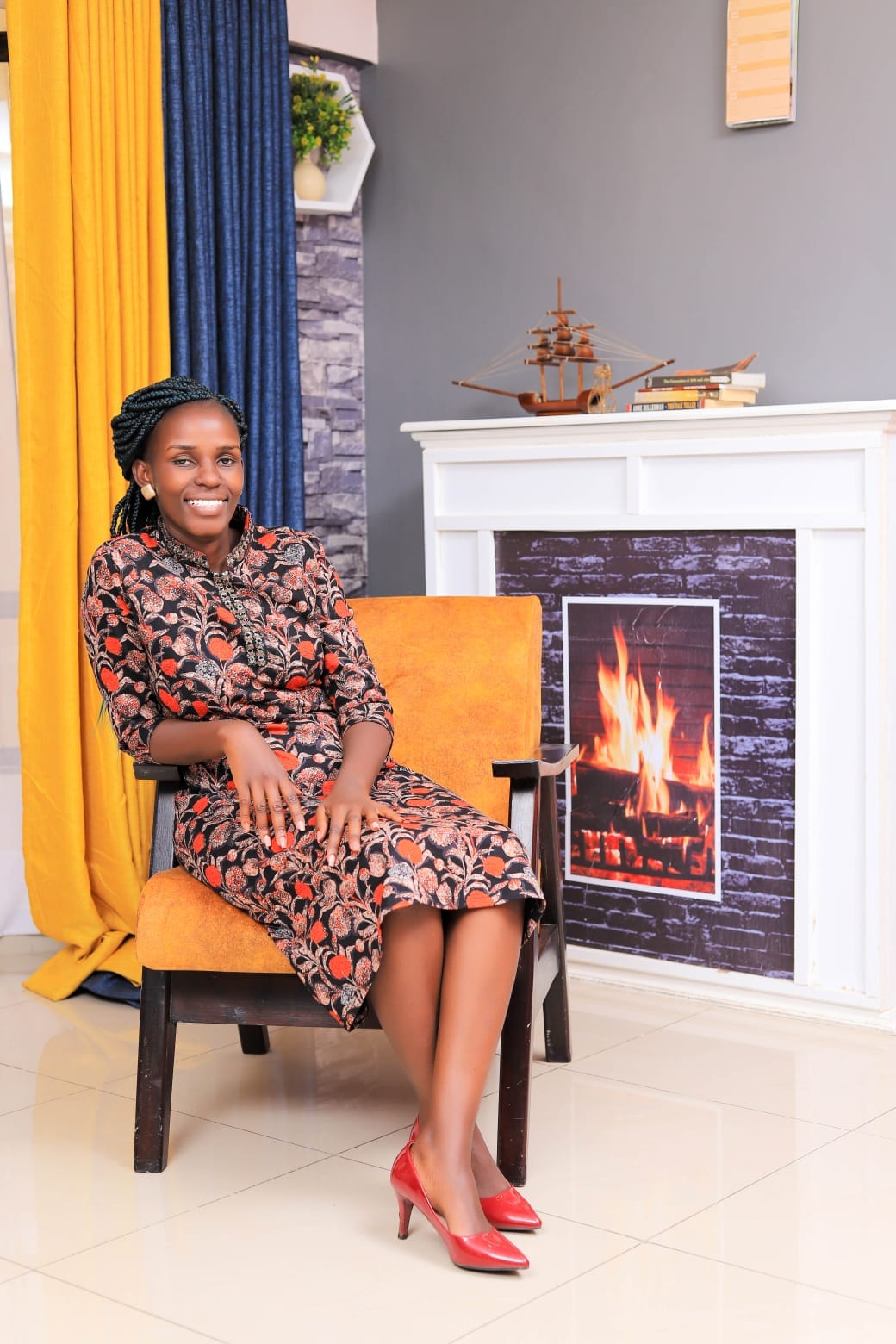
Today, I want to reflect on the five new stories collected through zoom interviews, which will be shared soon, each of which has felt for me like entering a sacred space. These conversations have been filled with courage, honesty, and sometimes, unexpected healing through story telling.
Our first story came from Jane, who lost her arm and toes due to a severe post-delivery complication. Her journey reminds us that motherhood transforms both body and identity, yet love and gratitude remain.
The second story is Nancy (not her real name), who endured the heartbreaking loss of triplets. She lost her first set early in pregnancy, her second a baby girl at birth, and the third a boy a few days later. Nancy’s story is a testimony of faith, resilience, and the quiet endurance of grief.
Dr. Nabirye (not her real name) from Uganda shared her struggle of pursuing a PhD in a foreign country while mothering without a good supportive partner. Her reflections highlight the emotional labour of academic mothers navigating both distance and responsibility.
The fourth story is from Dr. Amisah, a postdoctoral researcher from Ghana, who reflects on balancing motherhood, career, and life in the diaspora. She shows how women navigate high-pressure professional roles while holding space for family and faith.
Lastly, Lulu shared the painful loss of her mother to a sudden heart attack just weeks after giving birth to her second daughter, whom she had lovingly named after her mother. What pains her most is that her mother never got to see her granddaughter, a grief that sits tenderly beneath her reflections on motherhood, love, and legacy.
More mothers are already waiting to share their stories, and each testimony deepens the richness of our collective narrative. I am deeply grateful to the women who have entrusted Mama Narratives with their truths, and to our readers who hold space for these journeys. May these stories continue to inspire, uplift, and remind African mothers everywhere that they do not walk alone. That even in struggle, in loss, and in triumph, their stories matter, their voices are heard, and their experiences are sacred.
As we continue to collect and share stories from mothers across Africa, may these testimonies remind us that faith and the stories of other mothers can hold us through every season of motherhood. God’s presence is never absent.